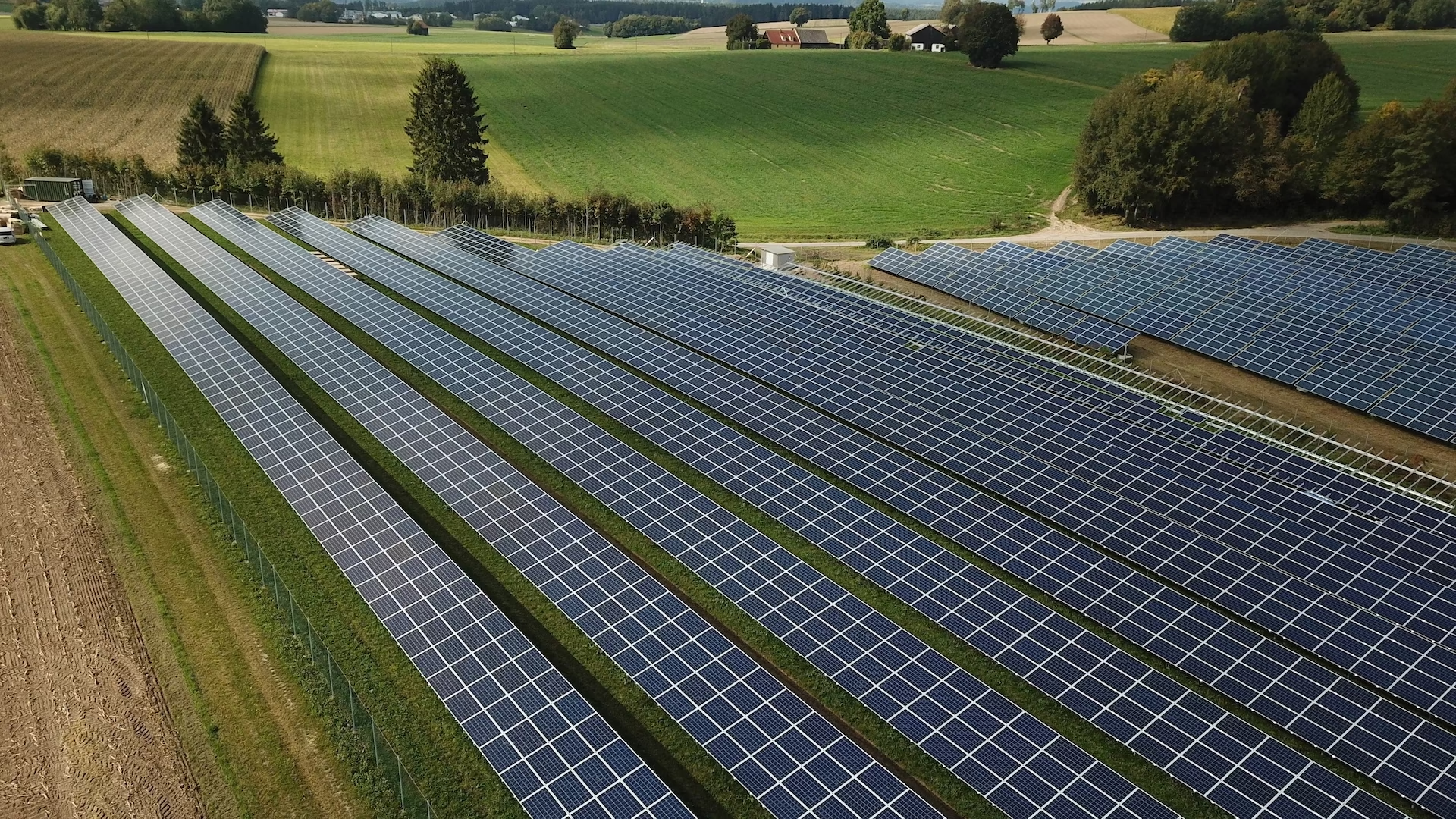
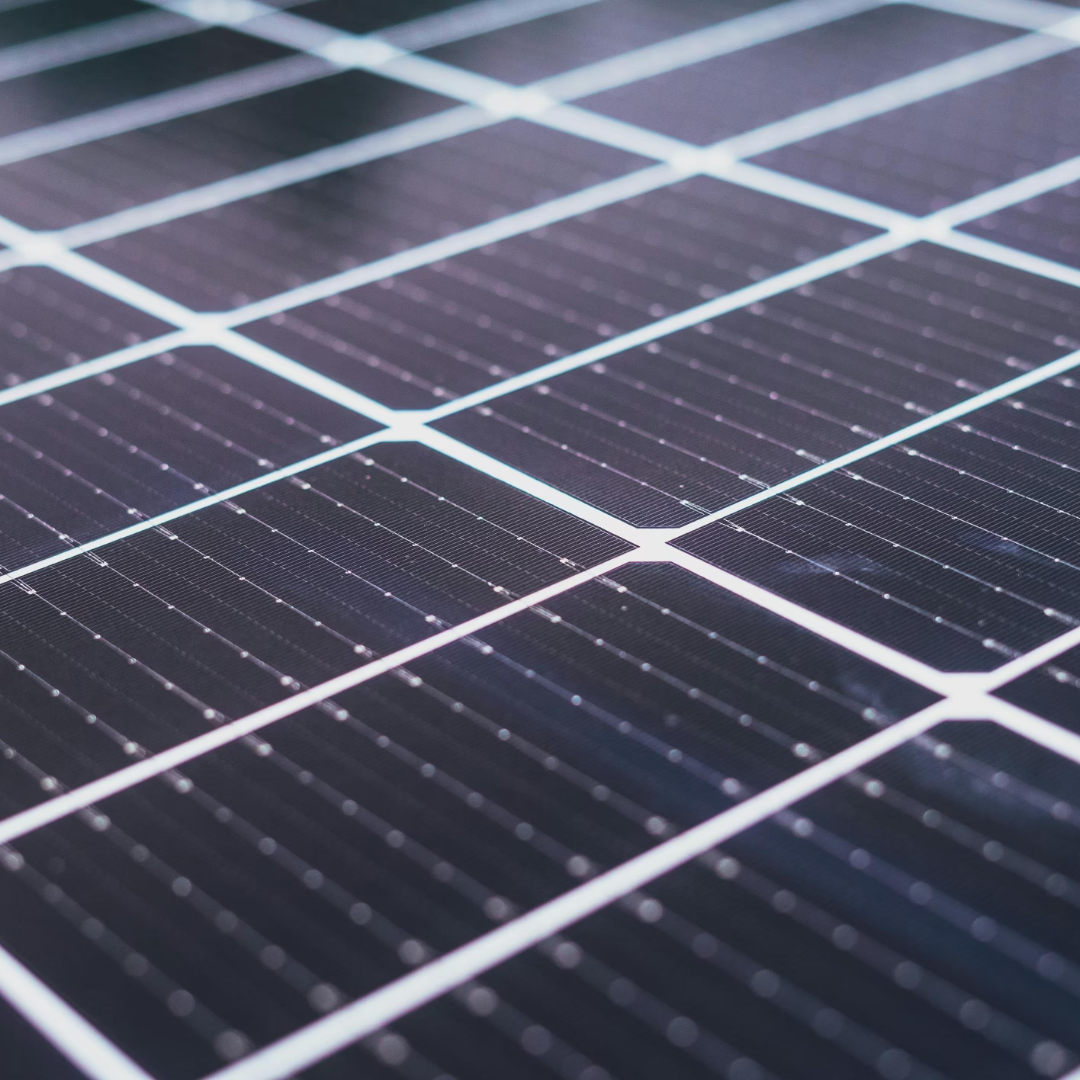
Solar panel and battery prices have trended downward for over a decade. That era is ending. A confluence of new trade tariffs, supply-chain realignments, and rising raw-material costs is pushing equipment prices upward — and for South African businesses and agricultural operations planning a renewable energy transition, the window to lock in current pricing is narrowing faster than most realise.
Acting now is not a sales pitch. It is a practical observation grounded in what is happening in global energy markets. Enerthia Energy (Pty) Ltd works across the renewable energy value chain through four offerings — Energy Consultancy, Business Development, Product & Service Endorsement, and Funding Origination — and what we are seeing across our project pipeline confirms the trend: procurement decisions delayed by six to twelve months are increasingly costing clients materially more than the same project would have cost had it moved forward earlier.
What is driving solar panel and battery prices
The primary pressure points are well-documented. United States tariff policy has triggered retaliatory and defensive trade responses globally, disrupting the low-cost panel supply chains that kept residential and commercial solar affordable for the better part of ten years. Simultaneously, lithium, cobalt, and other battery-chemistry inputs face supply constraints and increased demand from both the energy storage and electric vehicle sectors. Freight and logistics costs, while eased from their pandemic-era peaks, have not returned to pre-2020 norms. For South Africa specifically, rand volatility amplifies every dollar-denominated movement in equipment pricing.
These are not temporary fluctuations. Analysts across the sector broadly expect the cost trajectory for panels and battery storage to remain elevated through the medium term, with meaningful relief unlikely before 2027 at the earliest — and even that projection carries significant uncertainty.
Why energy consultancy is the right first step
Enerthia’s Energy Consultancy offering exists precisely for this kind of inflection point. It is a no-fee advisory entry point for offtakers — businesses, farms, food processors, and industrial operations — who need an honest, structured assessment of their energy position before committing to any procurement or funding path. There is no obligation to proceed, no product being sold, and no installer being favoured. The consultancy function is about giving decision-makers a clear picture: current consumption profile, realistic system sizing, indicative capital cost at today’s pricing versus projected pricing in twelve months, and the most appropriate financing structure for their circumstances.
In a rising-price environment, that clarity has direct commercial value. A farm operation that understands today that a R8 million solar and storage system will likely cost R9.5 million in eighteen months is in a fundamentally different negotiating and planning position than one that defers the analysis indefinitely. The consultancy conversation costs nothing and creates the information needed to act rationally.
Funding origination: moving from decision to execution
Once an offtaker has a clear system specification and a credible EPC contractor engaged, the next constraint is almost always capital. This is where Enerthia’s Funding Origination capability becomes the material difference between a project that moves and one that stalls. Enerthia originates, structures, and places project funding — it does not lend from its own balance sheet, but it works across a panel of 32 funders and investors and holds direct relationships with South Africa’s major banks, giving clients access to a breadth of debt-style and equity-style structures that a single-funder approach cannot match.
The funding ceiling sits at R500 million per project. Structures available include asset finance, power purchase agreements with terms between 5 and 25 years, project finance, and equity participation depending on project scale and sponsor profile. Typical origination timelines run three to six months from mandate to first drawdown, which means a client who engages now is looking at execution well within the current pricing window for most standard commercial and agricultural projects.
Enerthia also maintains a network of 55 EPC contractors through its Endorsement Partner relationships — contractors whose work and products have been assessed and formally endorsed on a contract basis. This means that where a client does not yet have a preferred installer, Enerthia can connect them with an appropriate, vetted partner as part of the origination process, rather than leaving the client to navigate the market independently.
The cost of waiting
The renewable energy sector in South Africa has spent years operating in a buyer’s market for equipment. That dynamic is shifting. Businesses and agricultural operations that treat the current moment as an opportunity to begin the advisory and funding conversation — rather than waiting for a more convenient quarter — are the ones most likely to execute at costs that remain commercially attractive. Those who wait may find themselves negotiating against a meaningfully higher equipment baseline while competing with a larger pool of buyers who reached the same conclusion earlier.
One conversation, one partner
Enerthia Energy (Pty) Ltd is one partner across the renewable energy value chain. Whether your organisation needs independent advisory, a path to project funding, or both, the starting point is a conversation with no upfront cost and no obligation. Contact Vanessa Mann on WhatsApp at +27 82 899 6078, email info@enerthiaenergy.co.za, or visit enerthiaenergy.co.za to learn more.
Enduring energy — built to last.